
Free webinar for parents of children with ADHD
Outbursts and meltdowns every time your child hears "No"?
Learn how to respond in the moment, reduce blow-ups, and help your child handle hearing "No."
Hosted by Ryan Wexelblatt, LCSW · Creator of The Confident Parents, Capable Kids Method by ADHD Dude
Your child's difficulty hearing "No" is not a character flaw, it's based in lagging and inconsistent use of executive function skills like cognitive flexibility and emotional regulation.
When you have a step-by-step plan in place to respond to these behaviors proactively rather than reactively, you help your child build flexibility, emotional regulation, and learn how capable they are.
Your child hears "No," and before you know it, you're in the argument, reasoning, and negotiation vortex

1
You say "No"
2
Your child asks why, argues, and follows you around trying to wear you down
3
You get pulled into explaining, reasoning, and negotiating
4
It escalates into a blow-up
The longer difficulty hearing "No" is met with undivided attention or emotional reactivity, the longer the behavior continues.
Research shows talk therapy and play therapy are not going to improve your child's behavior.
What will improve it, and what the research supports, is when you change how you respond to their behavior.
You can help your child handle hearing "No" with a plan that isn't shaming or punitive, and that helps your child learn how capable they are.

Your guide
I've lived this as a parent, and worked with it my entire career.
I'm Ryan Wexelblatt, LCSW. I'm the father of a now-adult son who was diagnosed with ADHD and ODD. I've also worked with children who have outbursts and meltdowns my entire career, as a school social worker inside special education schools and as a therapist who specialized solely in ADHD and autism. I've presented multiple times at the International Conference on ADHD on improving behavior and emotional regulation.
ADHD Dude Parent Behavior Training gives you a step-by-step plan so you can step back into your parental authority and bring more calm and cooperation to your home.
20,000+
Families supported
50+
Countries
What changes when you have a plan
When you put pre-steps in place, know exactly how to respond in the moment, and set up clear daily expectations for behavior, your child learns that they have the ability to handle hearing "No" and handle their emotions in an age-expected manner.
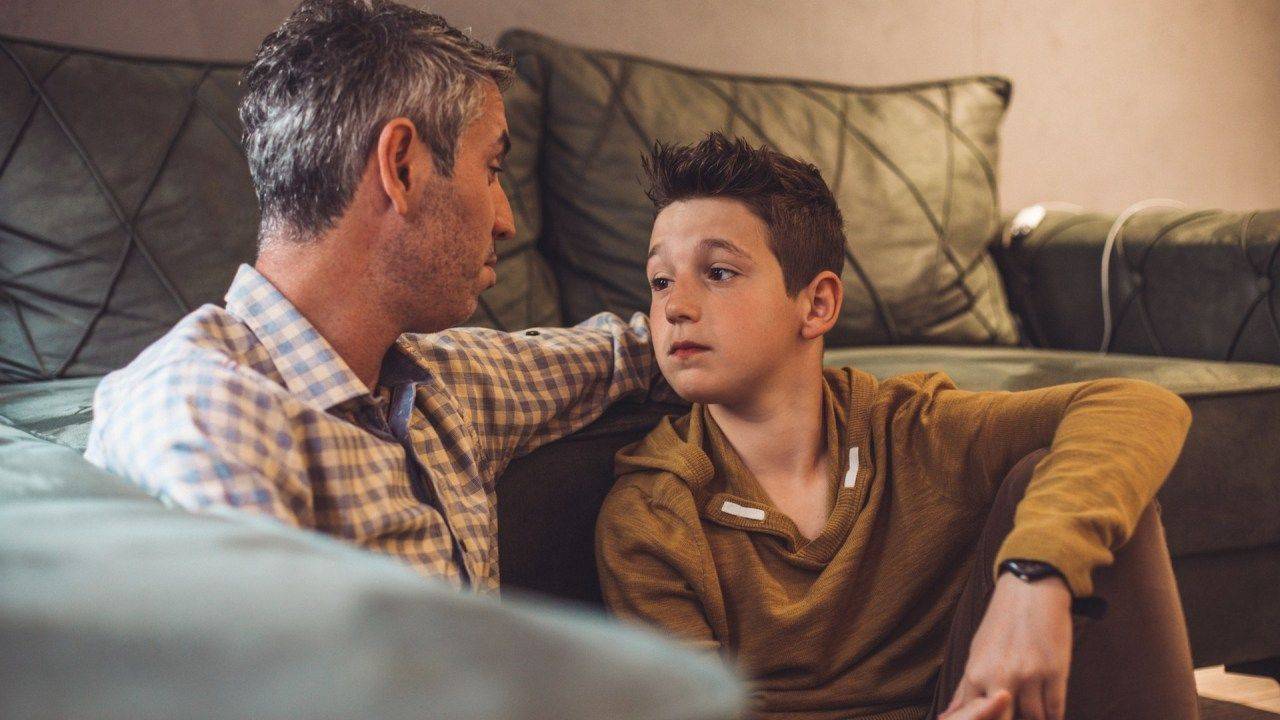
Fewer blow-ups
The blow-ups become less intense and less frequent over time.
Confidence in how to respond
You know how to handle outbursts and meltdowns effectively, based on evidence, not opinions.
A child who learns how capable they are
Your child learns they can handle hearing "No."
Here's how it works
1
Enter your name and email
2
Watch the webinar and download the slides
3
Start using the strategies at home
Inside the webinar
What you'll learn
✓ What's really going on when "No" turns into a blow-up, and the two executive function skills behind it
✓ The pre-steps: what to put in place before the next blow-up, so your child knows how you'll be responding differently
✓ What to say, and what not to say, when your child has difficulty hearing "No"
✓ How to disconnect the power source in the moment
✓ How to follow up once everyone is calm, using language of accountability and clean-ups instead of forced apologies
✓ How to stay consistent if your child's behavior gets worse before it gets better
This webinar teaches the process from ADHD Dude Parent Behavior Training.
What you get
The full webinar replay
Includes a Q&A with current membership site members.
Downloadable PDF slides
Print them to help you put the strategies into practice.
Send me the webinar & slides
Get the free webinar and slides
Fewer blow-ups, a calmer home, and a child who learns they can handle hearing "No."
Send me the webinar & slidesWhy does my ADHD child have meltdowns when told "No"?
Difficulty hearing "No" is based in cognitive flexibility, one of the core executive function skills. Children with ADHD get stuck when things don't go their way, and it's hard for them to adjust and move on. Many also feel things strongly and have lower frustration tolerance than their same-age peers. The webinar shows you how to respond to both.
What are "blow-ups"?
Blow-ups are the yelling and outbursts that can happen when your child doesn't get their way, especially when they hear "No." That's what the webinar How to Handle "Blow-Ups" & Difficulty Accepting "No" is about.
Should I keep validating my child's feelings during a meltdown?
Acknowledge how they feel with one statement of empathy. Then stop. Over-validating, over-empathizing, or getting pulled into the reasoning or negotiation vortex often prolongs the blow-up. The webinar shows you what to do instead.
What should I do in the moment when my ADHD child has an outburst?
The webinar walks you through it step by step, including what to say, what not to say, and how to disconnect the power source.
Send me the free webinar
Frequently Asked Questions
Will this work if my child has been diagnosed with ODD?
What if my child has been described as having Pathological Demand Avoidance (PDA)?
Will this work for a child diagnosed with autism or AuDHD?
What if my child says "I hate you" or "You don't care about me"?
What if the blow-ups include aggression or destroying things?
Will my child's behavior get worse before it gets better?
What do I get when I sign up?
Sources
Center for Children and Families, Florida International University. Evidence-Based Information Sheet: Psychosocial Treatment for ADHD in Children and Adolescents.
Wolraich ML, et al. Clinical Practice Guideline for the Diagnosis, Evaluation, and Treatment of ADHD in Children and Adolescents. Pediatrics. 2019;144(4):e20192528.