
ADHD And Stealing: Why Kids With ADHD Take Things (And How To Stop It)
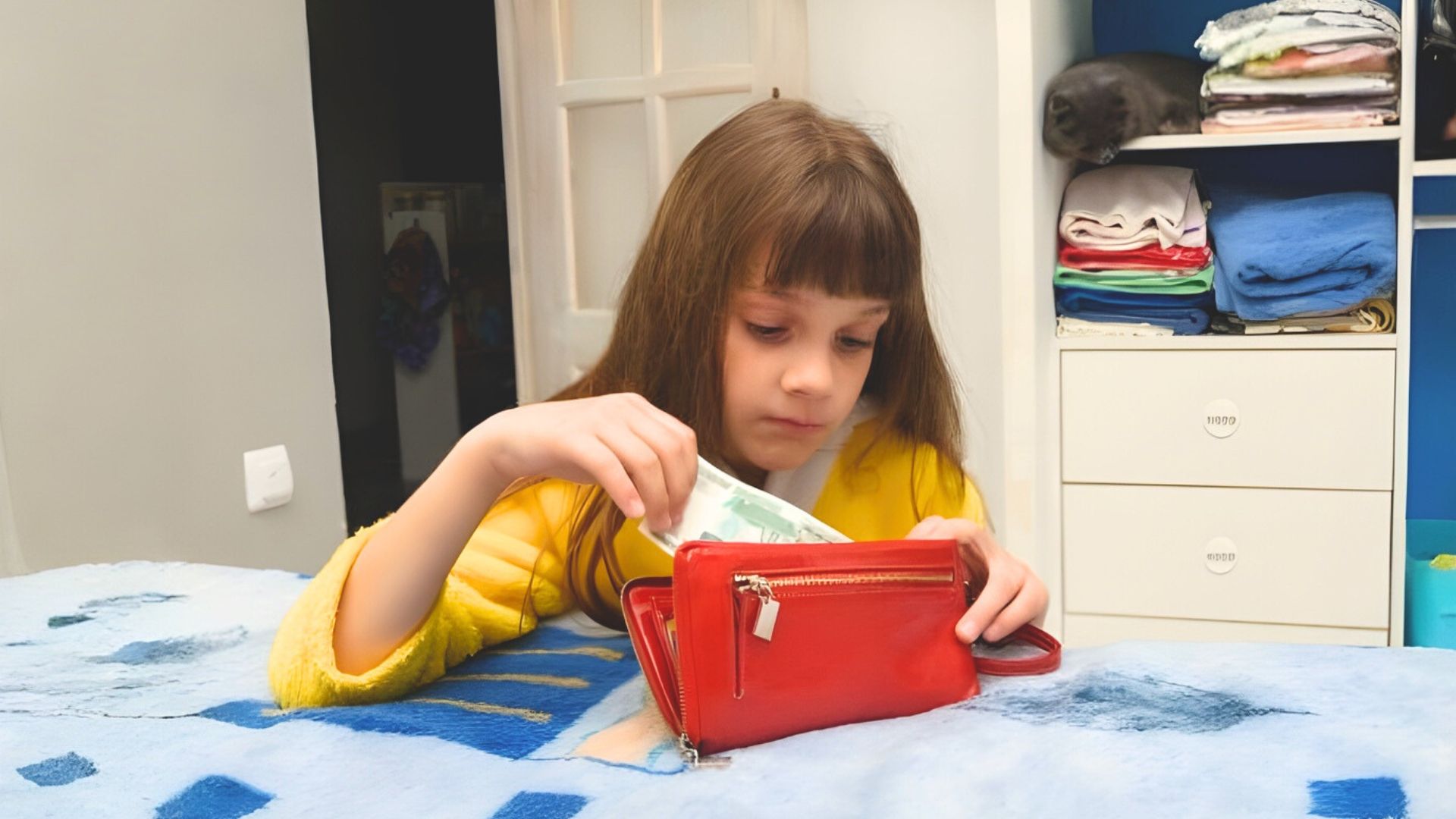
It can be very concerning when their child with ADHD steals something, even trivial things, and either lies about it, or will not admit they did it, despite clear evidence showing otherwise. When ADHD kids steal, it is usually impulsive with little forethought. ADHD and stealing are typically rooted in impulse control deficits, not criminal intent. Children with ADHD often act before thinking.
The behavior occurs quickly, without planning or fully considering consequences. What's important to understand before I discuss how to deal with this effectively is to understand that this is an issue of delayed executive functioning, because ADHD is an executive function developmental delay. This is not a character flaw or a result of your child not internalizing your values.
When stealing and lying occur together in children with ADHD, it is often done because they feel ashamed, because they genuinely don't know why they stole (because they were not having an internal dialogue with themself to consider the possible consequences of their actions, and because they did not visualize what the end result could be. Again, these are all aspects of executive functioning that are delayed in children with ADHD.
If you respond to impulsive behavior as if it were calculated misconduct, you risk escalating shame rather than building skill. If you ask, "Why did you do that?" your child may genuinely not know, because they weren't having that internal dialogue before the stealing. These are aspects of executive functioning that are rarely discussed yet are important to understand.
Children with ADHD need to be held accountable for stealing, understand how their behavior impacts others, and learn to make amends, because that teaches repair in relationships.
Punishment alone doesn't teach these skills; thus, I'm going to explain the step-by-step plan for dealing with your child's stealing.
How To Respond When Your Child Steals
Your response plays a significant role in shaping future behavior.
- First, use affective calmness, which means staying calm, even when you don't feel calm inside. This is modeling healthy emotional regulation for your child, and keeps the focus on accountability and making amends, rather than your emotional reactivity.
- Second, acknowledge the stealing, and if necessary, the lie. Do not focus on getting your child to admit they stole or lied. This is unnecessary, and does not help build skills. When parents insist on their child must admit the truth, this this about the parent’s need, and often escalates the situation.
- Third, take a firm stance against the behavior, without lecturing, shaming or emotional processing. That can sound like: “It was not OK to take that without asking. In our family we do not take things without asking”. Or “I don’t accept you stealing things that belong to your brother.” By telling your child you disapprove of the behavior in a concise way, you are sharing your family values, and the impact of your words has more meaning. Emotional processing, having long discussions, rehashing of the sequence of events does nothing to change this behavior.
- Fourth, focus on the "clean up". This is a concept taught in the ADHD Dude Parent Behavior Training programs Capable & Confident (ages 4-7) and Scaffolding Better Behavior (ages 8-17). A "clean up" is a way of making amends towards someone whom we have treated poorly.
- Finally, focus on skill-building. Consequences alone do not strengthen executive function.
For children ages 4 to 7, Capable & Confident focuses on early self-regulation, cooperation, and listening skills. These foundational abilities reduce impulsive behavior by building compliance and emotional control.
For ages 8 to 17, Scaffolding Better Behavior provides structured accountability systems that help children and teens connect actions with consequences in a predictable way. This consistency is critical for strengthening decision-making.
Parents can also implement the Creating Daily Expectations courses (ages 4–7, 8–11, and 12–18). These programs establish clear routines, defined responsibilities, and consistent follow-through at home. Predictability reduces impulsive behavior because expectations are no longer vague or shifting.
Executive function skills mature gradually. With a steady structure, repetition, and precise feedback, children become better able to manage urges rather than react automatically.
How Parent Behavior Training Helps
Parent Behavior Training helps you parent proactively rather than reactively by helping your child understand the expectations for honesty, how they should "clean up" if they steal something, and the natural consequence if they do. In the Creating Daily Expectations courses (ages 4–7, 8–11, and 12–18), parents learn how to set developmentally appropriate behavioral expectations. For a child who steals regularly, the expectation can be to return the item (without discussion) and to do a clean-up if necessary. Additionally, if this is a chronic problem, parents can enlist "supporters" who are people the child respects, who they likely would not want knowing about their behavior. The protocol for enlisting supporters is taught in the Confident Parents, Capable Kids Parent Behavior Training programs, Capable & Confident (ages 4-7), and Scaffolding Better Behavior (ages 8-17).
FAQs
Q: Why do ADHD kids steal even when they know it is wrong?
A: Knowing a rule and controlling an impulse are separate skills. Many children with ADHD understand that stealing is wrong but struggle with real-time self-control when temptation appears.
Q: Is ADHD stealing and lying a sign of serious character issues?
A: Lying is often reactive and driven by fear of consequences rather than manipulation or lack of conscience.
Q: Will my ADHD child outgrow stealing?
A: Brain maturation can help over time, but waiting is not enough. Structured support and consistent expectations significantly improve outcomes.
Q: Does medication help with ADHD, impulse control, and stealing?
A: Medication can improve impulse regulation for many children. It is most effective when combined with clear behavioral systems at home. However, that does not mean that your child will not steal if they really want something and are not thinking about the future consequences of their actions.
Like most ADHD behavior, stealing doesn't improve through lectures or bigger consequences. It improves when you change how you respond, using an approach built for how ADHD brains learn. The ADHD Dude Membership gives you that approach: step-by-step Parent Behavior Training for the behaviors that wear you down.